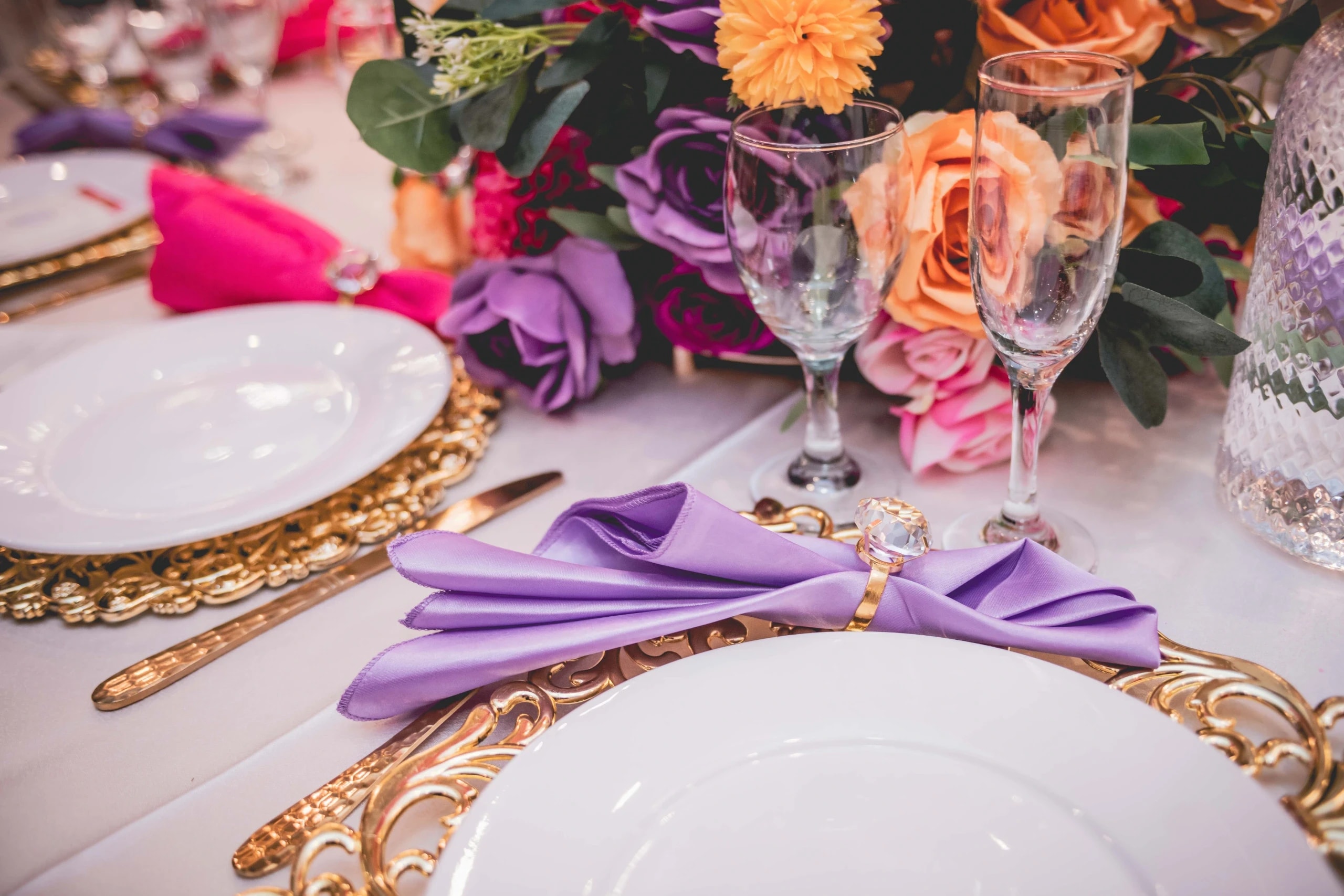

A quinceañera, a debut, a bar or bat mitzvah, a sweet sixteen — these are not simply large birthday parties. They have a running order, a formal entrance, a dance that has been rehearsed for months, speeches that matter, and a guest list that spans four generations. Planning one is closer to producing a small show than to booking a dinner.
They are usually held in a hall rather than at home for a straightforward reason: the choreography needs floor. Here is what to think about, and what to ask.
The floor is the whole thing
Before anything else, work out how much open floor the celebration needs. A court of honour rehearsing an entrance needs room. So does a surprise dance, a live band, a performance by cousins, or a father-daughter waltz with everyone standing in a circle around it.
On a tour, do not ask how many people the room holds. Ask to see the floor plan for your headcount with the dance space you need already drawn in. That plan is the real answer, and it is the one you can compare between venues.
Ask about rehearsal and setup access
The choreography usually needs at least one run in the actual space, and the decor for these events is rarely quick. Ask whether there is any access before the day itself, and be specific about what "access" means — an hour, or an evening?
At Emerald, setup access the day before is possible where the calendar allows it. That qualifier is honest rather than cautious: it depends on what is booked around you, so it is a question to ask about your specific date rather than a promise anyone can make in the abstract.
Ask whether the hall is yours for the night
These celebrations get loud, they run late, and they involve a lot of people moving between tables and floor. A hall shared with a second event that evening is a hall where somebody will ask you to turn it down. Emerald takes one party at a time, so the floor is not split — but ask every venue on your list, because the answer varies and nobody volunteers it.
The food has to be the family's food
This is the part where a venue either understands the occasion or does not. A quinceañera fed a generic banquet menu is a quinceañera that everyone politely does not mention afterwards.
Ask whether the kitchen will cook to your family's cuisine rather than to a house menu, and be specific: the dish your grandmother makes, the spice level your relatives actually eat, halal preparation if that is what the family needs, a vegetarian option that is a real dish rather than a side plate. We cater our own events for exactly this reason — the catering page sets out the cuisines we start from, and "start from" is the operative phrase.
Plan the running order with the venue, not at it
Write out the evening in order: arrivals, the formal entrance, the toast, dinner service, the choreographed dance, the open floor, the cake. Then hand it to the venue and ask where it breaks. Somebody who runs these regularly will spot the fifteen minutes that will not fit before you do.
Questions worth taking to the tour
- Where does the formal entrance come from, and what does the room look like from there?
- Where can a photographer stand for the choreographed dance without being in it?
- Is there somewhere for the guest of honour and the court to change or wait?
- How late does the evening run, and when do vendors have to be out?
- Who is in the building on the night if something needs solving?
If you are planning a celebration like this in San Ramon or nearby, tell us the occasion and the date. The parties page covers how these bookings run, and you are welcome to walk the floor with the running order in your hand.